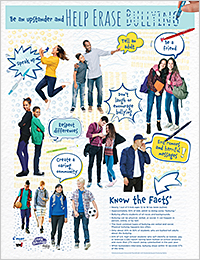

A classroom should be more than just a place to deliver instruction and guide practice — it should feel like a community where every student feels safe, respected, and ready to learn. When students know they are valued and supported, they’re more likely to engage positively with their peers.
Bullying often takes root in environments where expectations aren’t clear or students don’t feel connected. Bullying can take many forms — physical, verbal, social, and even online — and can deeply affect a child’s emotional wellbeing. That’s why prevention starts with the classroom climate itself. By building trust, modeling empathy, and setting clear boundaries, teachers can create a space where kindness flourishes and harmful behavior has no place to grow.
Here are five practical ways teachers can create a supportive environment for all students:
1. Set the Tone Together
Work with students to create simple classroom norms that emphasize respect and kindness. When kids help set expectations, they’re more likely to follow them. Be clear about what bullying is and why it won’t be tolerated. Model the behavior you expect and reinforce it with positive feedback.
2. Watch the Environment
Bullying often happens in places with less supervision — like hallways, playgrounds, or restrooms. Keep a closer eye on these areas, and arrange your classroom so students are always visible. Regular class check-ins also give students safe opportunities to share concerns before they escalate.
3. Act Quickly and Fairly
When bullying happens, respond right away. Support the targeted student, address the behavior calmly, and apply consistent consequences. Timely action not only stops the behavior but also shows students that their wellbeing is taken seriously. Teach students safe ways to step in or report concerns and always follow up to ensure the problem doesn’t continue.
4. Teach Skills That Prevent Bullying
Embed social and emotional learning into your lessons. Skills like empathy, conflict resolution, and communication give students tools to manage disagreements without causing harm. Emphasizing these skills also helps students recognize and stand against bullying when they see it.
5. Involve Families and Community
Share your classroom approach with parents so they can reinforce it at home. Partnering with families — and community groups when needed — creates a stronger safety net for every child. A shared understanding of what bullying looks like and how to respond makes prevention more effective.
Creating a Culture of Respect
Bullying can’t always be prevented, but a safe, respectful environment makes it far less likely to take root. By modeling kindness, setting clear expectations, and responding consistently, teachers can show students that everyone belongs. Addressing bullying is not just about stopping harmful behavior — it’s about building a culture where every child feels seen, supported, and safe to learn.
For free, downloadable resources, check out our programs Finally Heard and Help Erase Bullying for Good!