
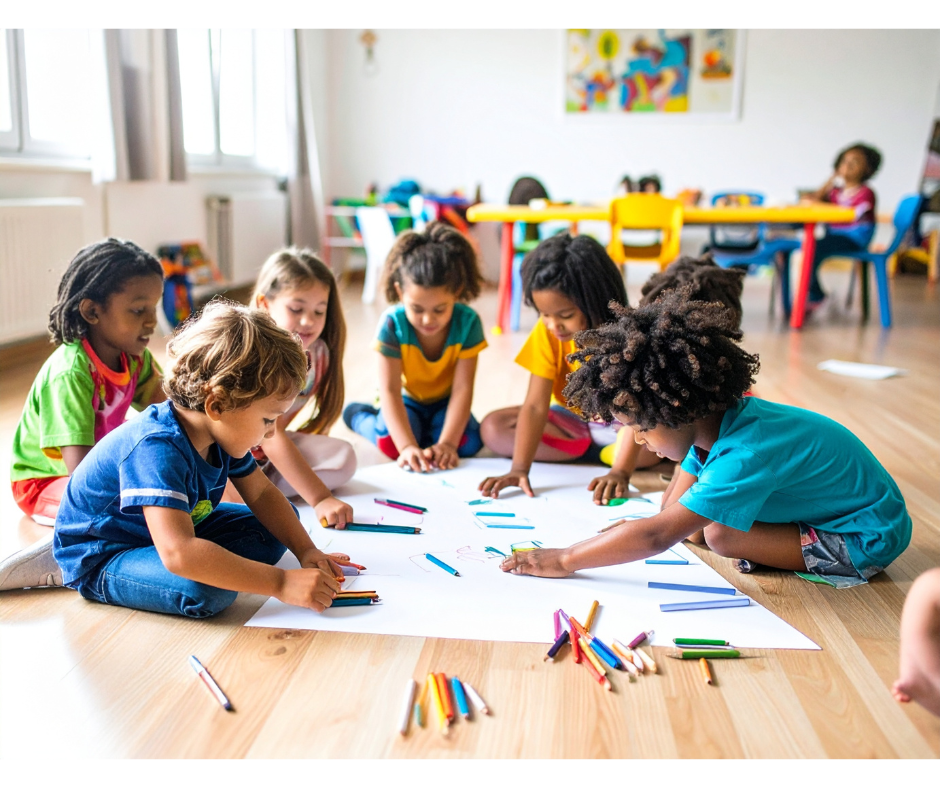
School breaks offers rest, celebration, and a change of pace — but returning to the classroom can bring its own challenges. Students may feel out of routine, emotionally dysregulated, or unsure how to shift back into learning mode. Rather than rushing into assessments or new content, the weeks after winter break are an opportunity to help students ease back into learning through connection, curiosity, and confidence.
With intentional strategies, teachers can ease students back into learning and set a positive tone for the months ahead.
Reestablish Routines Gently
After time away, familiar routines help students feel grounded and secure. Revisit classroom expectations and daily rhythms instead of assuming students remember them perfectly.
Simple resets might include:
• Reviewing schedules and transitions together
• Modeling routines step by step
• Using visual reminders or anchor charts
Consistency builds comfort, and comfort supports focus.
Start With Connection
Before diving into academic demands, prioritize rebuilding relationships. Students are more willing to engage when they feel seen and supported.
Try:
• Morning meetings or class circles
• Partner discussions or reflection prompts
• Low-pressure sharing questions like “What’s one thing you enjoyed over break?” or “What are you excited to learn this year?”
Connection lays the foundation for meaningful learning.
Spark Curiosity Through Talk and Exploration
Instead of jumping straight into worksheets or tests, invite students back into learning through discussion, observation, and wonder.
For example:
• Use images, short texts, or videos as conversation starters
• Ask open-ended questions: What do you notice? What do you wonder? Why do you think that?
• Encourage students to explain their thinking, even if it’s incomplete
These activities strengthen comprehension, reasoning, and language skills — while keeping learning engaging.
Build Confidence with Early Wins
After a long break, students benefit from tasks that feel achievable. Early success helps rebuild motivation and academic confidence.
Focus on:
• Reviewing familiar skills in new ways
• Collaborative activities to help eliminate independent pressure
• Hands-on or discussion-based tasks
When students feel capable, they’re more willing to take risks and participate.
Balance Energy with Movement and Reflection
Students may return with high energy — or low stamina. Both are normal. Short movement breaks can help reset attention, while moments of reflection support self-regulation.
Consider:
• Quick stretches or energizing games between lessons
• Short mindfulness moments or breathing exercises
• Reflection prompts like, “What is one thing you learned today?” or “What was challenging for you?”
This balance helps students stay focused, calm, and ready to learn.
Moving Forward with Intention
Reconnecting students with learning after a break isn’t about pushing harder — it’s about meeting students where they are and building forward with care. By centering connection, curiosity, and joy, educators create classrooms where students feel confident, engaged, and ready to grow.
Free downloadable lessons from YMI Classroom can support this transition with ready-to-use resources designed to spark discussion, strengthen foundational skills, and engage students in meaningful learning.
With thoughtful planning and a positive classroom culture, the weeks after winter break can become a powerful reset — and a strong start to the rest of the school year.