
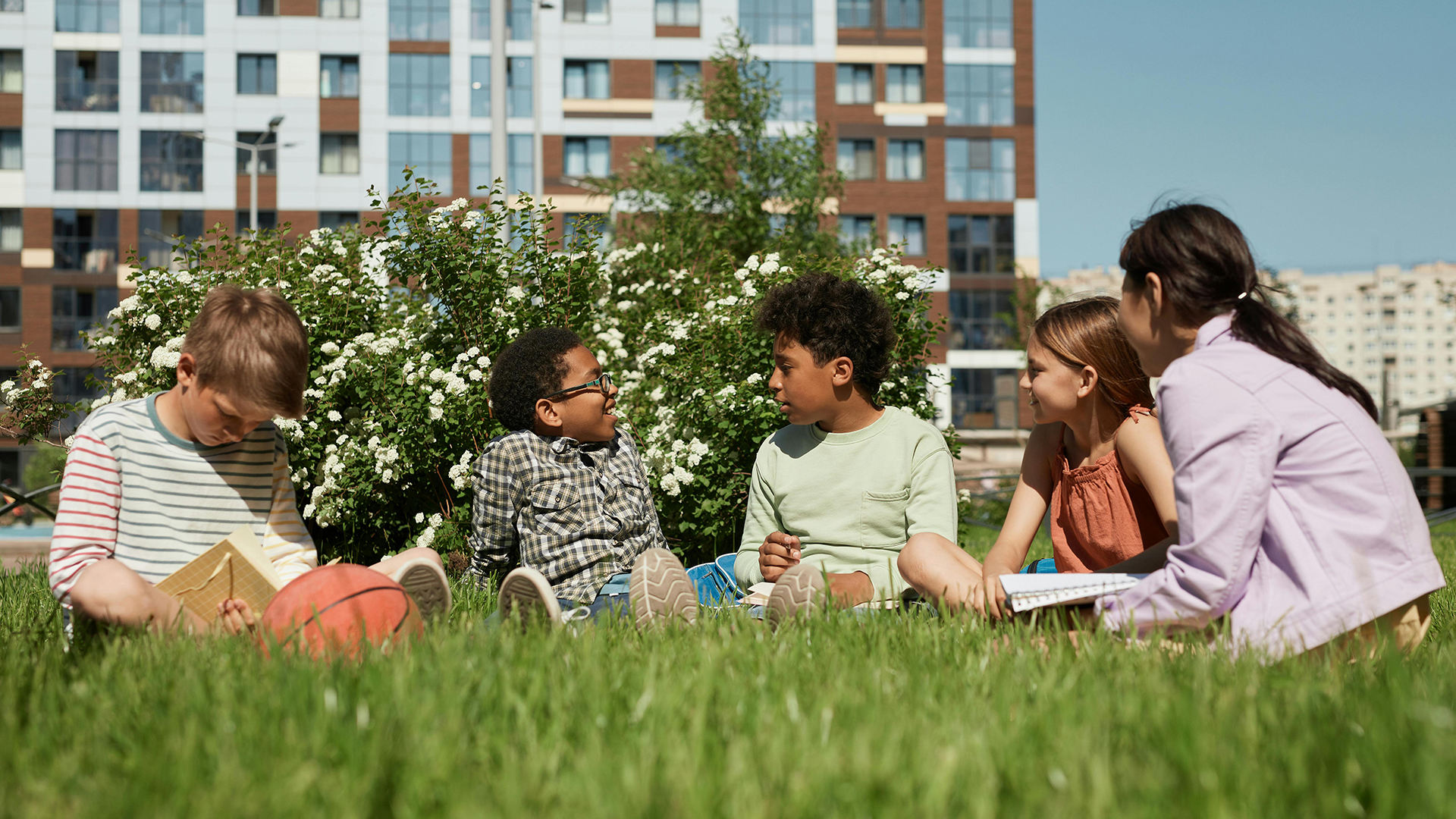
As the school year comes to a close, many educators look for low-prep, high-impact ways to support summer learning success without adding extra stress to their workload.
Supporting students during this transition does not require formal lessons or complex planning. Instead, small, intentional practices can help maintain academic skills and keep students engaged throughout the summer months.
1. Keeping Learning Simple and Consistent
One of the most effective approaches to supporting students over the summer is encouraging consistent learning habits that fit naturally into family routines. When students continue engaging with reading, writing, and math in small ways, it can help them retain skills and return to school with confidence.
Short daily reading time, casual math practice through everyday situations, and simple writing activities such as journaling or reflecting on summer experiences all help reinforce key academic skills without creating pressure.
The goal is to keep learning active in manageable and meaningful ways.
2. Making Learning Engaging Through Play
Engagement plays a critical role in preventing learning loss, and one of the easiest ways to maintain engagement over the summer is through games and playful learning experiences. When academic concepts are embedded in games, students remain motivated without feeling like they are completing traditional schoolwork.
Simple learning games and hands-on challenges, like scavenger hunts, Pictionary, and card games can reinforce literacy and math skills in a way that feels fun and accessible. Whether students are practicing vocabulary, solving problems, or completing interactive tasks, learning through play helps maintain momentum during the summer months.
3. Connecting Academic Skills to Real Life
Real-world application is one of the most powerful tools for maintaining student learning over time. When students see how academic skills connect to everyday experiences, retention naturally improves.
Opportunities for learning can be found in simple daily activities such as reading signs and menus, measuring ingredients while cooking, counting money during shopping, or writing notes and messages to family and friends. These moments reinforce literacy, numeracy, and critical-thinking skills in authentic contexts that students encounter regularly.
By encouraging families to recognize learning in everyday life, teachers can help extend classroom instruction beyond the school year.
4. Supporting Families with Realistic Strategies
Clear, simple guidance from teachers can make a meaningful impact on families trying to reinforce learning over the summer. When expectations are realistic and easy to follow, families are more likely to stay engaged.
Providing light suggestions for weekly learning activities, offering optional practice resources, and emphasizing consistency over intensity can help reduce pressure while still supporting academic growth. The most effective strategies are those that feel manageable and flexible rather than structured or overwhelming.
5. Ending the Year with Confidence
Helping to prevent summer learning loss does not require extensive planning or additional workload. Instead, it is about offering small, intentional strategies that help maintain skills in natural, low-pressure ways.
By focusing on consistent engagement, real-world connections, and playful learning opportunities, teachers can help students transition into summer with confidence while preserving essential academic progress.
Check out these YMI programs to add fun, engaging practice to your summer learning suggestions:
 |
 |
 |
 |
 |